Understanding the Critical Role of Air Cargo Carriers in Global Logistics
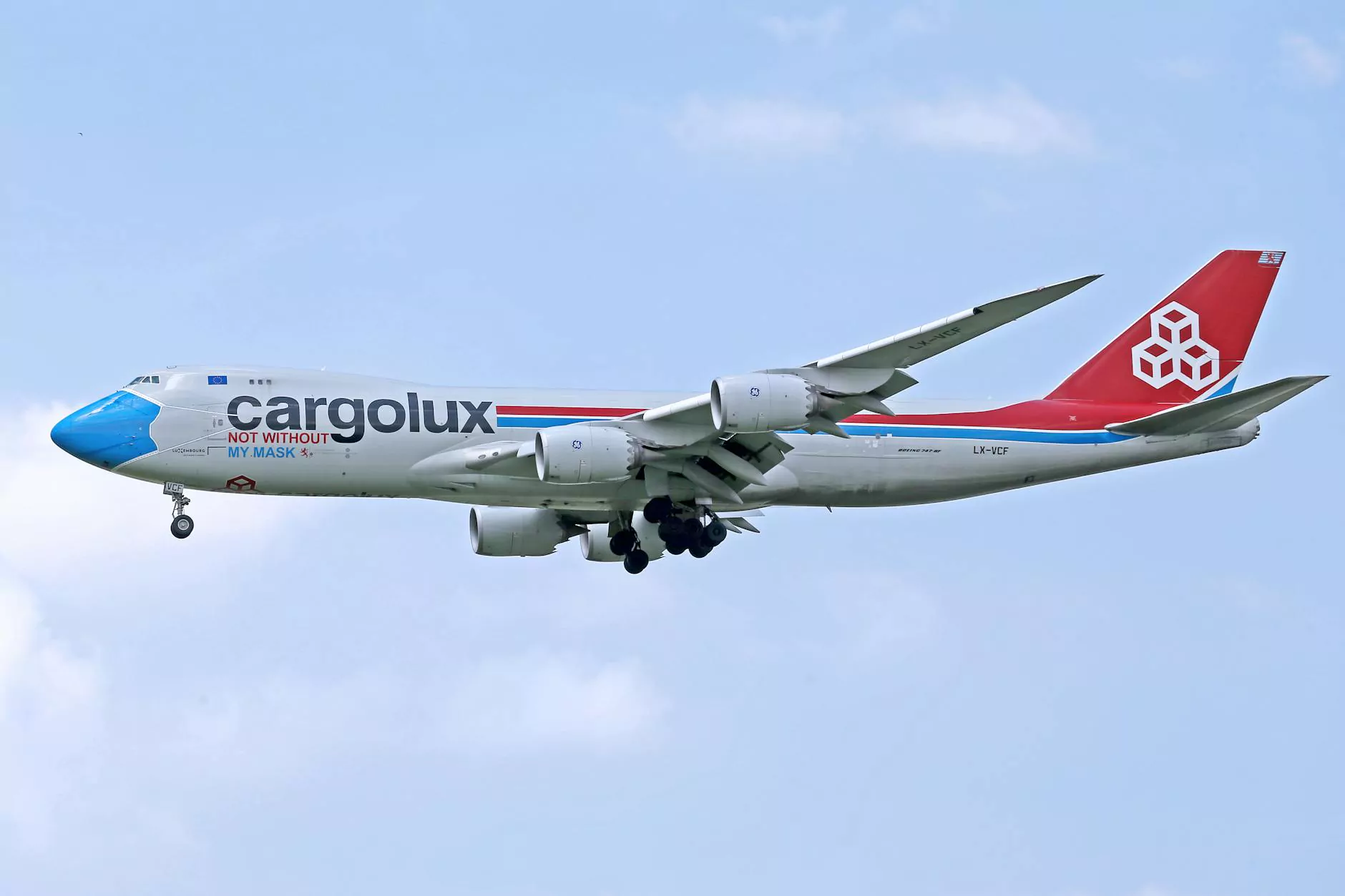
In today's interconnected world, air cargo carriers serve as the vital arteries of international trade, ensuring that goods are transported swiftly and reliably across continents. As the backbone of the global supply chain, these specialized transportation providers enable businesses to meet market demands, manage inventory efficiently, and reach customers worldwide. This comprehensive guide explores the multifaceted world of air cargo carriers, highlighting their operations, strategic importance, and how they synergize with shipping centers, airports, and transportation networks to facilitate seamless logistics.
What Are Air Cargo Carriers? An In-Depth Definition
Air cargo carriers refer to commercial airlines, charter services, and freight companies dedicated to transporting cargo rather than passengers. These carriers operate a fleet of aircraft specifically designed or adapted to maximize freight capacity, often deploying larger, more robust aircraft for high-volume, urgent shipments. Their primary objective is to deliver goods efficiently, safely, and on time, enabling industries such as manufacturing, retail, healthcare, and technology to function smoothly.
The Strategic Importance of Air Cargo Carriers in Global Supply Chains
Understanding the strategic significance of air cargo carriers entails appreciating their ability to bridge geographical gaps, reduce transit times, and provide emergency logistics options. Unlike maritime or land transportation, air freight offers unmatched speed, making it essential for:
- Perishable Goods: Pharmaceuticals, fresh produce, and flowers require rapid transit to maintain freshness and efficacy.
- High-Value Items: Jewelry, electronics, and luxury goods demand secure, swift delivery to prevent theft or damage.
- Just-in-Time Manufacturing: Industries depend on timely component delivery to avoid production halts.
- Emergency Relief: Humanitarian aid and emergency supplies rely heavily on quick air cargo shipments.
How Air Cargo Carriers Operate Within the Global Logistics Ecosystem
Efficient operation of air cargo carriers involves a complex interplay with shipping centers, transportation networks, and airports. This integrated system ensures cargo moves seamlessly from origin to destination with minimal delays.
Role of Shipping Centers in Air Cargo Logistics
Shipping centers act as hubs where cargo is consolidated, sorted, and prepared for onward transportation. These centers often include customs inspection facilities, warehousing, and distribution points. They are critical for managing clearance processes, especially for international shipments, and facilitate the efficient distribution of goods to final destinations.
Airports: The Vital Nodes of Air Cargo Carriers
Airports serve as the physical infrastructure where air cargo carriers load and unload freight. Modern airports equipped with dedicated cargo terminals provide:
- Specialized Handling Facilities: Ensuring fragile or sensitive items are meticulously managed.
- Rapid Turnaround Times: Streamlining aircraft loading and unloading to maintain tight schedules.
- Customs and Security Operations: Facilitating seamless cross-border shipments.
Transportation Networks Supporting Air Cargo Operations
Air cargo operations are bolstered by multi-modal transportation networks, which include trucking, rail, and maritime services. These networks connect airports with manufacturing hubs, distribution centers, and end-users, forming a cohesive ecosystem that maximizes efficiency and reduces delivery times.
Types of Air Cargo Carriers: An Overview of Industry Players
The sector comprises various types of air cargo carriers, each specializing in different market segments:
- Passenger Airlines with Cargo Services: Major airlines offering belly cargo capacity alongside passenger flights, such as Emirates, Lufthansa, and Delta.
- Dedicated Cargo Airlines: Airlines solely focused on freight, like DHL Aviation, FedEx Express, and UPS Airlines.
- Charter Operators: Customized services for urgent or oversized shipments, providing flexibility outside regular schedules.
- Regional Carriers: Serving specific geographic areas to facilitate local and intra-continental freight movement.
Technological Innovations Driving the Future of Air Cargo Carriers
The industry is experiencing transformative technological advancements that enhance operational efficiency, security, and sustainability:
- Advanced Tracking Systems: Real-time GPS and RFID technologies ensure precise cargo monitoring.
- Automated Handling Systems: Robotics and automation streamline loading, unloading, and sorting processes.
- Eco-Friendly Aircraft: The development of fuel-efficient and electric aircraft reduces carbon footprints.
- Data Analytics: Optimizing flight routes, capacity planning, and predictive maintenance improves reliability and cost-effectiveness.
Challenges Faced by Air Cargo Carriers
Despite their crucial role, air cargo carriers navigate several challenges:
- Volatility in Fuel Prices: A significant operating cost impacting profitability and pricing strategies.
- Regulatory Compliance: Stringent international regulations regarding safety, security, and customs.
- Capacity Constraints: Limited aircraft availability during peak seasons or disruptions like pandemics.
- Sustainability Expectations: Growing pressure to adopt environmentally sustainable practices.
The Future of Air Cargo Carriers: Trends and Opportunities
The industry is poised for transformative growth driven by innovations, e-commerce expansion, and increased demand for swift logistics. Key trends shaping the future include:
- Growth of E-commerce: Surge in online retail fuels demand for fast and reliable air freight services.
- Emergence of Urban Air Cargo: Drones and urban air mobility solutions aim to reduce congestion and expedite city logistics.
- Integration of AI and Big Data: Enhances route planning, capacity management, and predictive maintenance.
- Focus on Sustainability: Adoption of greener aircraft and environmentally conscious operations to meet global climate goals.
How Companies Like cargobooking.aero Optimize Air Cargo Carrier Operations
Leading logistics platforms specialize in streamlining the booking, scheduling, and management of air cargo shipments. These platforms provide:
- Advanced Booking Systems: Simplified, real-time booking processes for faster turnarounds.
- Comprehensive Tracking: End-to-end cargo visibility, reducing uncertainty and enhancing customer satisfaction.
- Integration with Shipping Centers and Airports: Seamless coordination for efficient cargo movement.
- Data Security and Compliance: Ensuring that sensitive cargo data and customs requirements are met securely.
Conclusion: Embracing the Future of Air Cargo Carriers
In summary, air cargo carriers are pivotal to the fabric of global commerce, supporting rapid, reliable, and secure transportation of goods across borders. Their synergy with shipping centers, airports, and transportation networks creates a resilient logistics ecosystem capable of adapting to future challenges and opportunities. With technological innovation and a commitment to sustainability, air cargo carriers will continue to evolve, driving economic growth and ensuring the seamless flow of international trade.
For businesses seeking to optimize their freight operations, platforms like cargobooking.aero offer indispensable tools to navigate this complex environment efficiently. Harnessing the power of digital solutions, the future of air cargo carriers is brighter than ever, promising faster, greener, and smarter logistics solutions for the world.
air cargo carriers